


Making Brand Activation More Engaging and Memorable
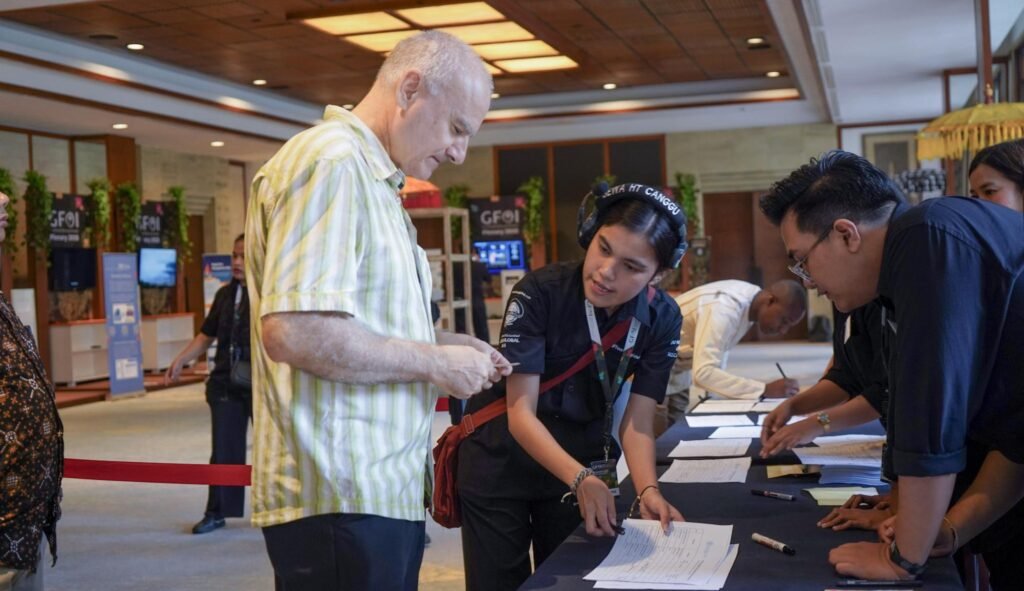
Tim Global Events Jakarta saat melakukan tugas di event
Getting audiences to recognize a brand takes more than advertising or promotional campaigns. Companies also need to create opportunities for audiences to interact directly with a brand and understand the value it offers.
One way to achieve this is through brand activation. This marketing strategy creates experiences that allow audiences to discover, try, or interact more closely with a brand’s products and services.
However, effective brand activation depends on more than a creative concept. Event planning, activity selection, visitor flow, and execution coordination also influence how audiences experience the activation.
For companies planning brand activation in Jakarta, understanding these elements is an important step toward creating engaging experiences that align with their marketing objectives.
What Makes Brand Activation Engaging for Audiences?
Brand activation is a marketing activity that encourages audiences to interact directly with a brand.
It can take various forms, including product demonstrations, interactive experiences, booth activities, product sampling, and other activities that reflect the brand’s identity.
Unlike promotional activities that simply communicate a message, brand activation gives audiences the opportunity to experience that message firsthand.
Audiences can try products, participate in activities, or learn more through direct interaction with the brand team.
To make these experiences relevant, activities should be designed around audience needs and the company’s objectives.
An activity that is visually appealing may not necessarily be effective if it does not give audiences a clear reason to participate.
Therefore, brand activation planning should begin by defining the experience the company wants to deliver and determining how it will support its marketing goals.
1. Define Your Objectives and Understand Your Target Audience
Before developing an event concept, companies need to identify the outcomes they want to achieve.
Brand activation can aim to increase brand awareness, introduce a new product, encourage product trials, or build engagement with potential customers.
These objectives influence the choice of activities and how success will be measured. For example, an activation designed to introduce a new product should give audiences opportunities to learn about its features or try it themselves.
Meanwhile, an activation focused on engagement may prioritize participatory activities that encourage audiences to get involved.
The characteristics of the target audience should also be taken into account. Their age, interests, needs, and habits can help companies determine the most appropriate approach.
With clearly defined objectives and target audiences, companies can develop more focused concepts. Every activity should serve a purpose that supports the brand’s core message rather than functioning merely as additional entertainment.
2. Choose an Activation Concept That Reflects Your Brand Identity
A creative concept is one of the key elements shaping the audience experience. The activities should capture attention while reflecting the company’s identity, values, and intended message.
Several approaches can be considered depending on the product, target audience, and objectives of the event.
Product Trial Experiences
Product sampling and demonstrations give audiences the opportunity to discover a product’s benefits firsthand. This approach is particularly relevant when trying the product plays an important role in purchasing decisions.
Interactive Activities
Games, challenges, quizzes, and other participatory activities can encourage audiences to become more actively involved. To maintain focus, these activities should have a clear connection to the brand’s message.
Booths and Visual Experiences
A booth can be designed as an interactive space that combines information, demonstrations, and visual elements. Thoughtful booth design helps attract attention while making it easier for audiences to understand the products or services on offer.
Regardless of the format, the chosen concept should prioritize attendee comfort and smooth execution. An engaging activity delivers greater value when it is easy to participate in and communicates a consistent message.
3. Design the Audience Journey
An engaging concept needs to be supported by a clear audience journey. From the moment people first notice the activation to the completion of their interaction, they should understand what they can do and how to participate.
Companies can start by establishing an attention-grabbing entry point, providing easy-to-understand information, and then guiding audiences toward the main activity.
The experience can conclude with a relevant call to action, such as trying a product, registering for a service, or visiting the brand’s information channels.
An unclear journey can leave audiences confused or cause them to abandon an activity before completing it. In contrast, effective planning helps participants move from one stage to the next without unnecessary obstacles.
For this reason, booth placement, visitor routes, signage, and staff readiness should all be planned in advance. Each of these elements contributes to the overall audience experience throughout the activation.
4. Ensure the Event Runs According to Plan

Event execution with the Global Events Jakarta team
Even a seemingly simple brand activation requires behind-the-scenes coordination. Venue readiness, equipment, staffing, schedules, and technical requirements must all be considered to ensure that the concept can be delivered as planned.
For example, a product demonstration requires ready-to-use equipment and staff who understand how to explain the product.
Meanwhile, activities involving large numbers of participants require careful consideration of venue capacity, waiting times, and visitor flow.
Insufficient coordination can disrupt the event. Long queues, unprepared equipment, or inconsistent information can reduce audience comfort and satisfaction.
To prevent these issues, companies should establish an operational plan, assign responsibilities, and ensure that everyone involved understands their role.
Pre-event inspections and procedures for handling unexpected issues can also help teams respond effectively to changes on-site.
Operational planning therefore does more than ensure that an event runs smoothly. It also helps maintain the quality of the experience the brand intends to deliver.
5. Measure Activation Results Against Your Objectives
After the activity concludes, companies should evaluate whether the activation has achieved its intended objectives. This evaluation helps identify what worked well and what could be improved.
The indicators used should reflect the purpose of the activity. If the focus is on increasing reach, companies can monitor visitor numbers or audience exposure to the activation.
If the objective is to encourage engagement, relevant indicators may include the number of participants who attend demonstrations, try products, or complete activities.
Companies can also collect participant feedback to gain a better understanding of their experiences.
Meanwhile, registrations, information requests, or post-event follow-ups may be useful indicators when the activation aims to generate leads.
These data points provide a more measurable basis for evaluating the activity. The findings can then be used to refine the concept, participant journey, and communication approach for future activations.
Supporting Brand Activation with Global Events Jakarta

A group photo of the Global Events Jakarta team
Creating engaging brand activation experiences requires a combination of relevant concepts and well-planned execution.
Creative ideas need to be supported by venue management, logistics, technical requirements, and team coordination to bring the intended experience to life.
Global Events Jakarta (GEJ) provides on-site event organizer and management services, including venue coordination and operational support.
GEJ also offers on-site and virtual exhibition services that can be incorporated into marketing activities according to a company’s needs.
With structured planning, different elements of an event can be aligned with the brand’s objectives and identity. The event format, area layout, participant management, and technical requirements can all be considered during the preparation stage.
For companies planning a brand activation, it is important to ensure that the concept and its execution requirements are planned as an integrated whole.
This approach helps activities do more than attract attention; it also creates experiences that are relevant and meaningful to the audience.
Create an Engaging and Memorable Brand Activation
Effective brand activation is more than an activity designed to attract attention. It gives audiences opportunities to interact with a brand through experiences that are relevant, easy to participate in, and aligned with marketing objectives.
From identifying the target audience to evaluating the results, every stage plays a role in shaping the quality of the activation.
With the right concept and effective execution coordination, companies can create more meaningful experiences for their audiences.
Planning a brand activation or event-based marketing activity for your company? Discuss your event requirements and concept with Global Events Jakarta to explore the event management support that best suits your needs.
For more information, contact:
📞 +62 811 9224 273 | +62 821 1331 1781
🌐 www.globalvirtualevents.co.id
📧 contact@globalvirtualevents.co.id