


Annual Meeting Organizer in Jakarta: Planning a More Focused Annual Meeting
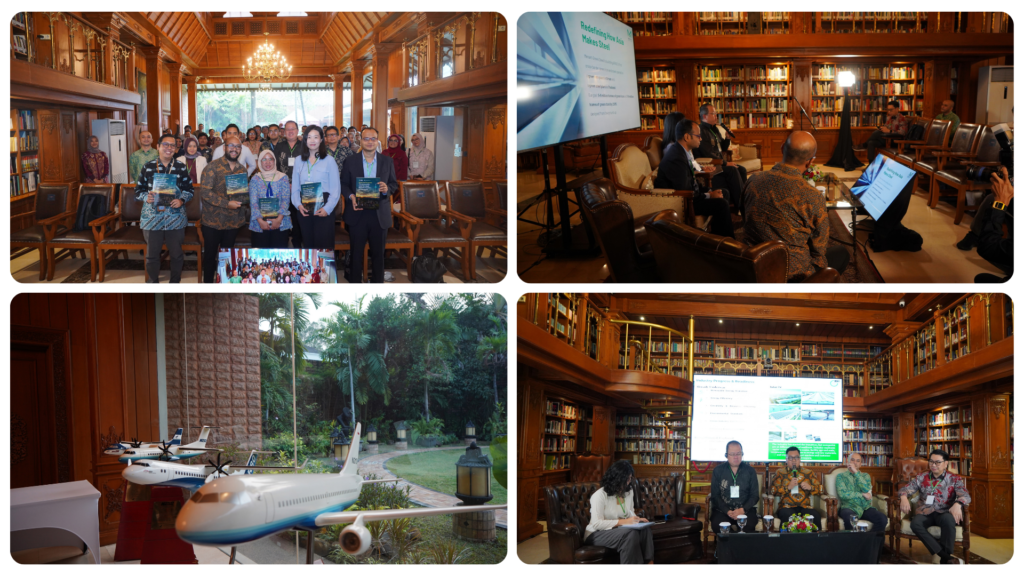
One of Global Events Jakarta’s clients
A company’s annual meeting provides an opportunity to review achievements, evaluate performance, and determine the direction of the business for the year ahead.
Through this forum, management can share company updates while ensuring that every team understands the priorities for the next period.
However, organizing an annual meeting involves more than preparing presentations and inviting participants. Content must be organized effectively, the agenda must address the company’s needs, and every session should contribute to the meeting’s objectives.
This is why planning an annual meeting requires coordination among management, speakers, the event team, and participants.
Working with an annual meeting organizer can help companies coordinate these requirements and ensure that the meeting is structured and effective.
Why Is Annual Meeting Planning Important for Companies?
An annual meeting provides a forum to review the company’s performance over the past year and establish priorities for the next period.
Topics may include business achievements, target evaluations, operational challenges, and company development plans.
To ensure that discussions lead to clear direction, every session should have a specific objective. Performance presentations, for example, should help participants understand the company’s achievements and identify areas for improvement.
Strategic planning sessions, meanwhile, should provide opportunities to discuss priorities and determine follow-up actions.
Without a well-structured agenda, a meeting can become overloaded with information without establishing a shared understanding. Participants may learn about the company’s achievements but fail to understand how those results relate to future targets.
Companies should therefore design annual meetings as forums for both evaluation and strategic alignment. This allows the information presented to serve as a foundation for decision-making and subsequent work planning.
Other Articles Team Building Organizer in Jakarta: Choosing the Right Activities to Strengthen Teamwork
1. Define Your Objectives and Develop a Clear Agenda
The first step in planning an annual meeting is determining the outcomes the company wants to achieve. Companies need to establish whether the meeting will focus on performance evaluation, the introduction of a new strategy, alignment of targets across departments, or a combination of these objectives.
Defining the objectives helps companies select relevant content and speakers. Each session can be designed to address specific questions, preventing discussions from drifting into topics that are less relevant to the meeting’s primary goals.
Once the objectives have been established, organize the agenda in a logical sequence. The meeting may begin with a summary of achievements, followed by performance evaluations and discussions of challenges, before concluding with strategic plans and priorities for the next period.
The duration of each session also needs to be considered. Overly dense presentations can reduce opportunities for discussion, while an unstructured agenda can make meeting time less productive.
With thorough planning, an annual meeting can follow a clear discussion flow. Participants can better understand the connection between past achievements and the actions required moving forward.
2. Present Company Achievements in a Structured Manner
Presenting company achievements is an important part of an annual meeting. This information helps participants understand business developments, compare actual results against targets, and identify areas that require attention.
To make the information easier to understand, presentations should be organized around relevant performance indicators and objectives. Performance data, for example, can be accompanied by explanations of the factors that influenced the results and their implications for future plans.
In addition to highlighting successes, companies should also provide opportunities to discuss challenges. A balanced evaluation helps participants understand what worked well and what still needs improvement.
Visual presentation also deserves attention. Charts, tables, and information summaries can help participants understand complex data without having to read excessive amounts of text on individual slides.
With well-structured content, discussions about company achievements go beyond reporting results. The information can provide a foundation for establishing priorities and developing future business strategies.
3. Involve Participants in Discussions and Strategic Alignment
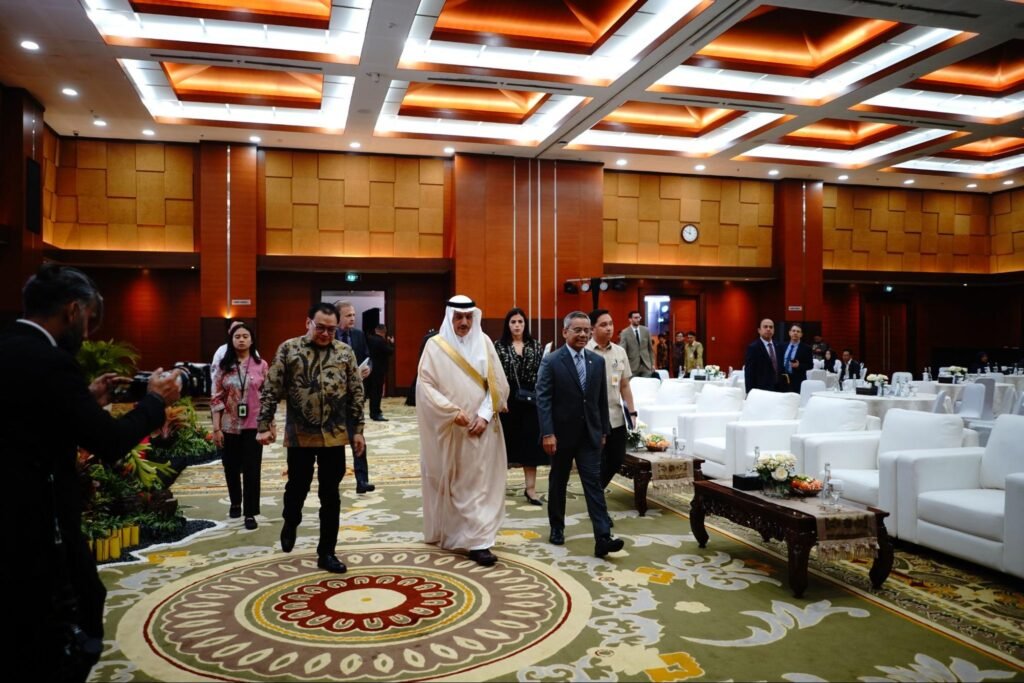
VIP guests at an event organized by Global Events Jakarta
An annual meeting becomes more meaningful when participants have opportunities to discuss ideas rather than simply listen to presentations.
Participant involvement can help clarify information, bring together perspectives from different departments, and identify challenges that require collective attention.
Companies can organize Q&A sessions, group discussions, or cross-departmental discussions according to the meeting’s objectives. The chosen format should reflect the number of participants, available time, and nature of the topics.
For example, discussions about company targets can be complemented by conversations about each department’s contribution. This helps participants better understand the relationship between the company’s overall strategy and their individual teams’ responsibilities.
A moderator can also help keep discussions focused. Questions should be managed according to their relevance, while time should be allocated proportionately to ensure that the main agenda remains on track.
Through planned participation, an annual meeting can help build a shared understanding across the organization. Participants not only learn about the company’s direction but also have an opportunity to understand their role in achieving its goals.
4. Consider Venue Requirements, Technical Preparation, and Event Coordination
Even well-prepared presentations and clearly defined agendas require operational support to ensure that an annual meeting runs smoothly.
Venue selection, seating arrangements, audio-visual readiness, and speaker coordination must be aligned with the event format and number of participants.
For onsite meetings, organizers need to consider room capacity, participant access, sound systems, lighting, and presentation displays.
Insufficient preparation can disrupt presentations or reduce participant comfort.
Meetings involving remote participants require additional attention to the platform, internet connectivity, audio quality, and interaction management.
If the company chooses a hybrid format, both onsite and online participants should have adequate access to information and opportunities to participate.
Coordination among the parties involved is also essential during execution. Speakers, moderators, and technical teams need to understand the event rundown, session durations, and procedures for transitioning between agenda items.
Technical checks and pre-event briefings can help identify requirements early. With structured preparation, the team can reduce the risk of disruptions and keep the meeting aligned with its agenda.
5. Ensure That Meeting Outcomes Lead to Follow-Up Actions
An annual meeting should not simply end when the event concludes. Discussion outcomes need to be documented so that the information presented can be translated into concrete next steps.
Companies can document key decisions, strategic priorities, and agreed-upon follow-up actions. Each action should have a clearly assigned owner and target deadline to make progress easier to monitor.
Meeting summaries can also be distributed to participants as a reference after the event. This helps maintain consistent communication and ensures that each team understands the decisions relevant to its work.
Evaluating the event itself is equally important. Companies can collect feedback on the content, agenda flow, session duration, and opportunities for discussion to improve future meetings.
With structured follow-up, an annual meeting becomes part of the company’s planning cycle. The outcomes do not remain mere information; they become a foundation for implementing strategies and evaluating progress.
Supporting Your Annual Meeting with Global Events Jakarta
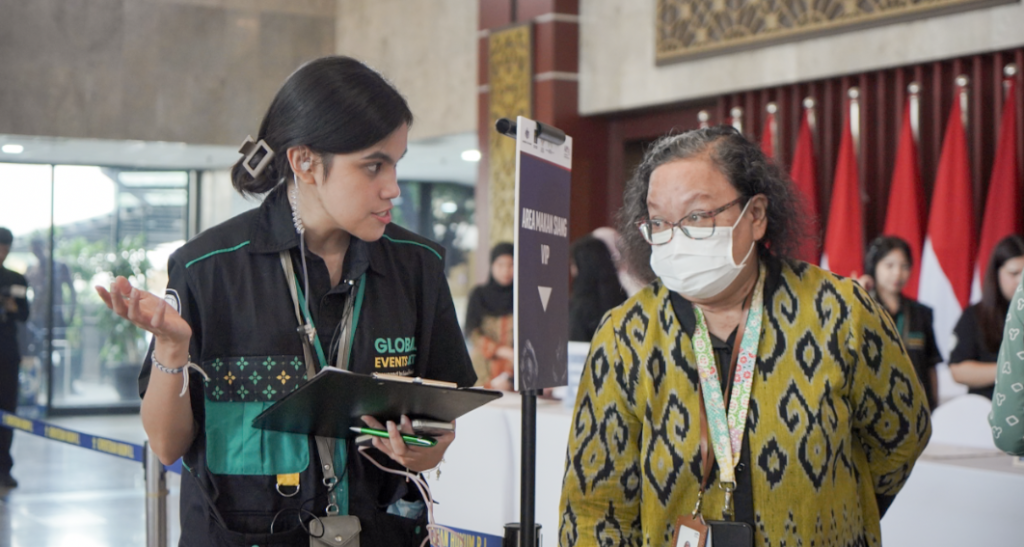
The Global Events Jakarta team on duty
Organizing an annual meeting requires coordination between company objectives, presentation materials, participant needs, and operational readiness.
Each aspect should be planned as part of an integrated process to ensure that the meeting runs smoothly and stays focused.
Global Events Jakarta (GEJ) provides event organization and management services covering planning, venue coordination, crew management, and production and technical support.
GEJ also handles various event formats, including conferences, seminars, town hall meetings, training sessions, and corporate gatherings.
These services can support the operational requirements involved in corporate meetings. The appropriate support can be discussed based on the event format, number of participants, technical requirements, and objectives.
By coordinating these requirements during the preparation stage, companies can plan the event flow, assign responsibilities, and ensure that everyone involved is ready before the event begins.
Plan a More Focused Annual Meeting with GEJ
To achieve these objectives, companies need to consider the quality of presentation materials, participant engagement, agenda clarity, and operational readiness.
Structured planning helps connect performance evaluation with the company’s strategic priorities. As a result, an annual meeting can become a more focused forum that supports meaningful follow-up after the event.
Planning an annual meeting for your company? Discuss your event requirements and organizational support needs with Global Events Jakarta.
For more information, contact:
📞 +62 811 9224 273 | +62 821 1331 1781
🌐 www.globalvirtualevents.co.id
📧 contact@globalvirtualevents.co.id