


Team Building Organizer in Jakarta: Choosing the Right Activities to Strengthen Teamwork
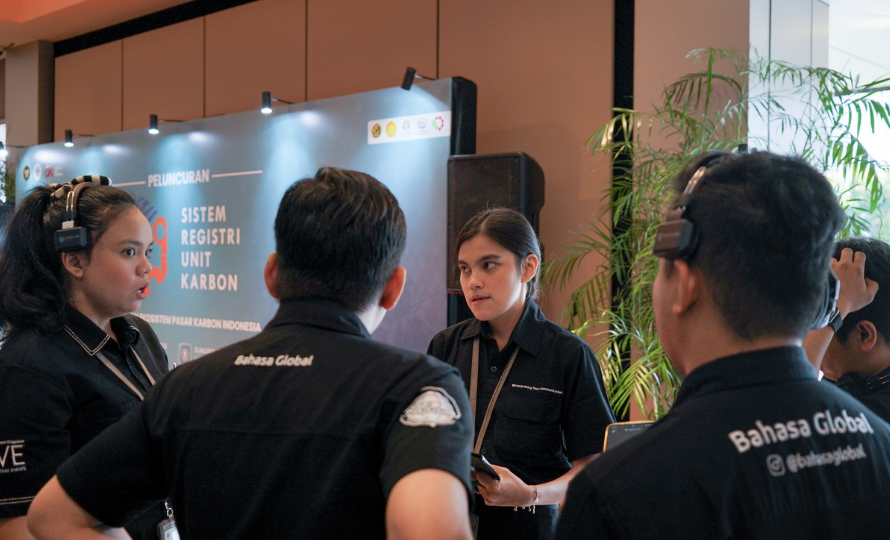
The Global Events Jakarta team communicating on-site
Teamwork does not develop simply because employees work in the same department or collaborate on the same project.
One way to help teams develop this skill is through team-building activities.
These activities give employees opportunities to interact outside their usual work routines while developing communication, collaboration, and decision-making skills.
However, the results depend on more than how enjoyable the activities are. They need to be designed around the company’s needs, participants’ characteristics, and the skills the team aims to develop.
For this reason, choosing a team building organizer in Jakarta requires more consideration than simply selecting a venue or type of game.
Companies should also ensure that the activities have clear objectives and provide a meaningful experience for everyone involved.
Why Do Companies Need Team-Building Activities?
In the workplace, every team member brings different experiences, expertise, and communication styles.
These differences can become strengths when managed effectively, but they can also lead to misunderstandings without proper coordination.
Team-building activities give employees an opportunity to interact in situations that differ from their everyday work environment.
Through shared activities, participants can practice expressing ideas, listening to colleagues, and working together to overcome challenges.
The benefits depend on how the activities are designed.
Activities that require teamwork can help participants practice dividing responsibilities, while problem-solving games encourage them to develop strategies and consider different alternatives.
Companies should therefore identify their teams’ needs before choosing activities. With clear objectives, team building can become part of a broader team development effort rather than simply a corporate recreational activity.
1. Define Your Objectives Before Choosing Activities
The first step in planning a team-building event is identifying the aspects of teamwork the company wants to strengthen. Every organization has different needs, so activities should be selected accordingly.
Strengthening Communication Across Teams
If communication is the main challenge, choose activities that require participants to exchange information and communicate instructions clearly. Clue-based games or group challenges can help develop these skills.
Participants learn how incomplete information or unclear instructions can affect collective results. This experience can then serve as a starting point for discussing the importance of effective communication in everyday work.
Encouraging Collaboration
To strengthen collaboration, choose activities that cannot be completed by one person alone. Participants need to share responsibilities, combine ideas, and make use of each team member’s abilities.
These activities help participants understand that group success depends on everyone’s contribution. Appropriate role allocation can also help teams work more effectively toward a shared goal.
Developing Problem-Solving Skills
Companies can also choose activities that require participants to overcome challenges within limited time or resources. Participants must analyze the situation, establish priorities, and agree on a strategy.
This process gives teams opportunities to practice making decisions together. Participants can also reflect on how they handle disagreements and respond to changing circumstances.
Clear objectives help companies identify relevant activities. As a result, the experience becomes more than an enjoyable event; it also supports the team’s development needs.
2. Choose Activities That Suit Your Team’s Characteristics
After establishing the objectives, companies can consider which activity format best suits their needs. Options may include indoor activities, outdoor events, or challenges based on simulations and problem-solving.
Indoor Activities
Indoor activities are suitable for companies seeking structured experiences with relatively manageable venue and equipment requirements. Options may include strategy games, communication challenges, team quizzes, or problem-solving simulations.
This format can also be adapted to different group sizes. The agenda can be divided into several sessions, giving participants opportunities to interact with colleagues from other departments.
Outdoor Activities
Outdoor activities offer a change of scenery from the usual workplace environment. Group challenges and field games can encourage participants to coordinate their efforts in dynamic situations.
However, activity selection should take participants’ physical conditions, weather, accessibility, and safety into account. Not every activity is suitable for every group, so adjustments may be necessary.
Simulation-Based Challenges
Simulations allow participants to face scenarios that resemble workplace challenges. For example, teams may be asked to develop a strategy, allocate resources, or solve a problem using the information available to them.
These activities can be useful when companies want to emphasize decision-making and collaboration. Challenges should be designed around participants’ abilities to keep the experience engaging without making it unnecessarily difficult.
Regardless of the format, the company’s objectives and participants’ characteristics should remain the primary considerations. A popular activity is not necessarily the best choice if it does not address the team’s needs.
3. Adapt Activities to the Number and Characteristics of Participants
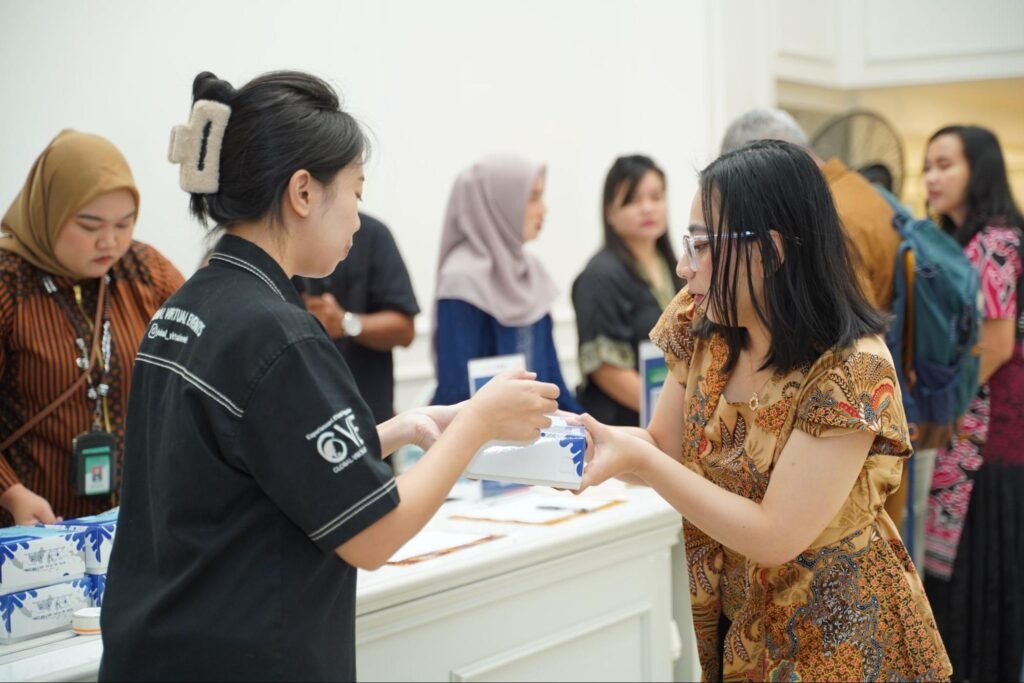
The Global Events Jakarta team on duty
An activity that works well for a small group may not work in the same way when hundreds of people participate. Group size affects team allocation, facilitator requirements, activity duration, and space utilization.
For large groups, participants can be divided into smaller teams with clear instructions and game mechanics. This approach helps maintain engagement while making coordination easier throughout the event.
Participants’ characteristics also need to be considered. Companies with employees from diverse backgrounds should choose inclusive activities that allow everyone to participate according to their abilities.
In addition, work schedules, physical conditions, and accessibility requirements may influence activity selection. Taking these factors into account helps companies create a more comfortable and relevant experience for all participants.
Appropriate planning reduces the risk of activities becoming ineffective. Participants have opportunities to contribute, while organizers can keep the event focused and well coordinated.
4. Pay Attention to Event Planning and Execution
Even an engaging team-building concept requires operational preparation. The venue, equipment, team assignments, schedule, and coordination arrangements all need to be planned to ensure that the activities support the intended objectives.
Before the event begins, participants should receive clear instructions. Facilitators must also understand the activity mechanics, the duration of each session, and how to handle situations that do not go according to plan.
For outdoor activities, organizers should consider weather conditions, site conditions, drinking water availability, and safety procedures.
Indoor activities, meanwhile, require appropriate room arrangements, equipment, and participant movement plans.
Effective coordination helps minimize confusion during the activities. If schedule changes or unexpected issues arise, the team can adjust the event without losing sight of its primary objectives.
Companies should therefore ensure that their service providers understand the activity requirements as a whole.
Thorough planning connects the event concept, participant experience, and operational requirements into one well-coordinated process.
5. Do Not Overlook Post-Event Evaluation
Team-building activities do not have to end when the games are over. Post-event evaluation can help participants connect what they experienced during the activities with situations they encounter in their everyday work.
One way to do this is through a brief reflection session. Participants can discuss the strategies they used, the challenges they faced, how the group made decisions, and what could be improved.
Companies can also collect feedback about which activities felt most relevant and which aspects of the event could be improved. This information helps evaluate whether the activities are aligned with the original objectives.
If the team-building program aims to strengthen communication or collaboration, companies can follow up with workplace initiatives that encourage employees to apply those skills.
In this way, the experience can become a starting point for continuous team development.
Supporting Corporate Events with Global Events Jakarta
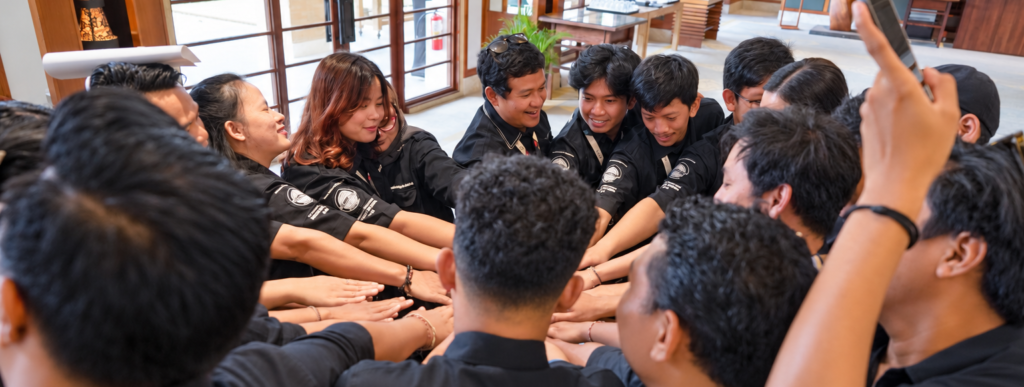
A group photo of the Global Events Jakarta team
Choosing the right activities is only one part of planning a team-building event. Companies also need to consider venue coordination, equipment, scheduling, participant requirements, and the readiness of the event team.
Global Events Jakarta (GEJ) provides event organizer and management services, including planning, venue coordination, crew management, and operational support for various corporate activities.
GEJ’s official services also include corporate gatherings and training. For team-building activities, the specific requirements and type of support needed can be discussed based on the company’s objectives, participant numbers, and planned event format.
This approach helps align the event’s requirements with its preparation and execution.
With structured planning, every element can contribute to a more cohesive participant experience. Companies can also make more informed decisions when choosing an activity format that suits their teams.
Choose the Right Team-Building Activities with GEJ
Effective team building is about more than choosing enjoyable games.
Activities should be designed around the team’s needs, encourage active participation, and provide opportunities to develop communication, collaboration, and problem-solving skills.
From defining the objectives to evaluating the results, every stage contributes to creating an experience that is relevant to the company.
Effective planning and coordination help ensure that the activities remain focused and suited to participants’ needs.
Planning a team-building event for your company? Discuss your concept, participant numbers, and event requirements with Global Events Jakarta.
For more information, contact:
📞 +62 811 9224 273 | +62 821 1331 1781
🌐 www.globalvirtualevents.co.id
📧 contact@globalvirtualevents.co.id